Sam Hughes · 31 August 2026
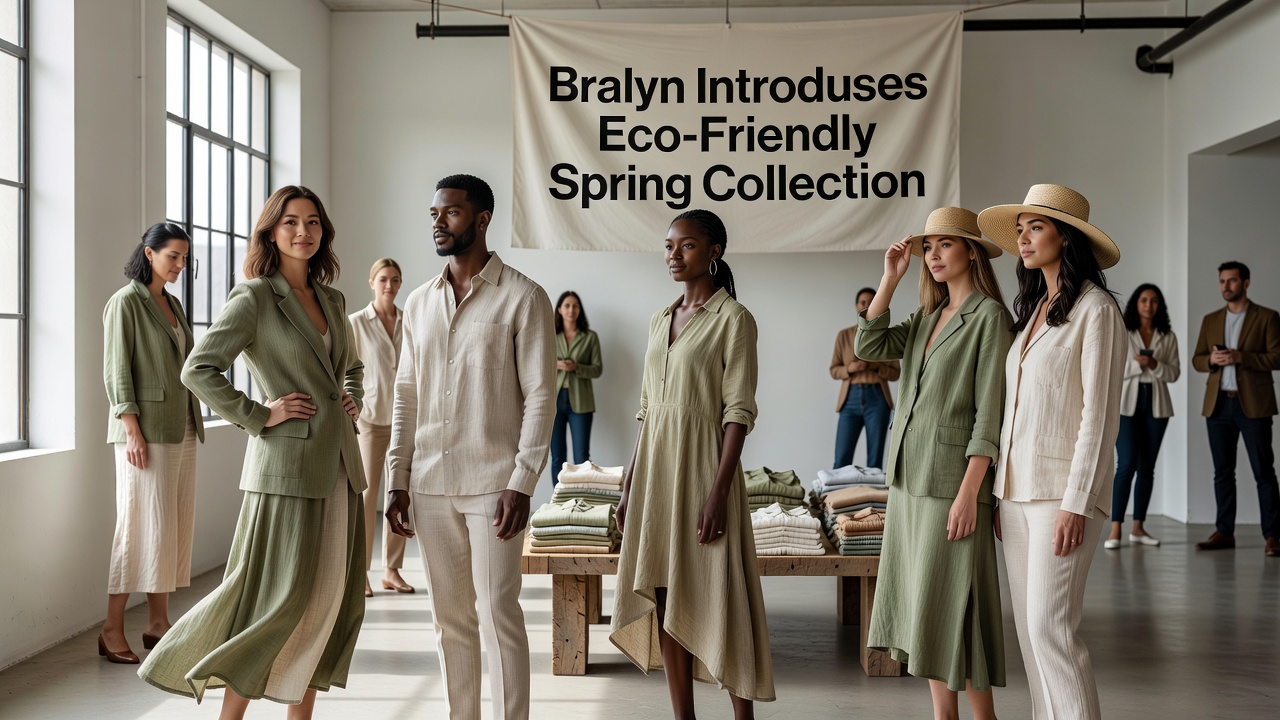
Bralyn has announced its new spring collection that emphasizes environmental responsibility through the use of sustainable fabrics and ethical production methods. The line includes a variety of apparel suitable for the season, focusing on comfort and style while minimizing ecological impact.
Commitment to Eco-Friendly Practices
The company sources materials from suppliers who adhere to strict environmental standards. Organic cotton is used for shirts and dresses, reducing water consumption compared to conventional farming. Recycled polyester from plastic bottles forms the basis for outerwear and activewear pieces. Dyes are natural or low-impact to prevent water pollution. Bralyn's factories operate with renewable energy sources, cutting carbon emissions by thirty percent over the past year. This approach aligns with global efforts to combat climate change in the fashion industry.
Designers incorporated versatile elements that allow garments to transition from casual to formal settings. Colors draw inspiration from nature, featuring soft greens, earth tones, and pastel blues. The collection promotes longevity, with items designed for durability and easy repair.
Featured Items and Consumer Response
Among the standout products are lightweight linen blazers made from European flax, offering breathability for warmer days. Trousers crafted from hemp blends provide strength and comfort. Accessories include scarves from upcycled silk and bags from reclaimed leather. Prices range from eighty to two hundred fifty euros, making sustainable options accessible. Early feedback from retailers indicates strong interest, with pre-orders exceeding expectations by twenty percent. Bralyn plans to expand this initiative to future seasons, exploring innovative textiles like mushroom leather.
The fashion sector faces increasing pressure to adopt greener methods, and Bralyn's move sets an example for peers. Consumers are becoming more aware of the environmental costs associated with fast fashion, leading to demand for alternatives. By investing in traceability, the brand ensures transparency in its supply chain. Workshops on garment care are offered to customers to extend product life. Partnerships with recycling programs facilitate end-of-life management for the apparel. This comprehensive strategy reflects a dedication to both aesthetics and planetary health. Furthermore, the collection avoids harmful chemicals in all stages of production. Water recycling systems in manufacturing facilities conserve resources significantly.